The short version
- Wood and propane do not belong indoors without a real chimney. Both produce carbon monoxide that has nowhere to go in an unvented room.
- Bioethanol is the fuel behind most products actually called an indoor fire pit. It burns without ash or smoke, but it is still an open flame with real hazards.
- Flame jetting is a documented, recent CPSC concern. Federal warnings and recalls on tabletop liquid fuel fire pits are current, not historical.
- Ventless does not mean ventilation is optional. Even bioethanol units need fresh air moving through the room to avoid carbon monoxide buildup.
- Electric is the only category with zero combustion risk. No flame, no fuel, no carbon monoxide, at the cost of a real fire's heat and crackle.
Search for an indoor fire pit and the results blur several genuinely different products into one category. A tabletop bioethanol burner, a plug in electric unit with a flame projection, and a professionally installed vented gas fireplace insert get photographed the same way and marketed with the same soft lighting, but they are not remotely the same product from a safety standpoint. This guide separates them.

Section oneWhat an indoor fire pit actually is
The fuel is the entire story here. Everything else is finish.
Wood and propane fire pits are designed to burn in open air, where combustion byproducts disperse into an essentially unlimited volume of outdoor air. Bring either fuel indoors without a dedicated flue and that byproduct has nowhere to go. This is why genuine indoor fire products fall into a narrow set of categories, not the full range you would see in an outdoor buying guide.
| Fuel | Indoor use | Why |
|---|---|---|
| Wood | No, unvented | Produces smoke, particulates, and carbon monoxide that require a real chimney to clear |
| Propane, open flame | No, unvented | Same carbon monoxide concern as wood, without even the visible smoke as a warning sign |
| Natural gas, vented insert | Yes, if professionally installed | A permanent, code compliant fireplace system with real venting, not a portable unit |
| Bioethanol | Yes, with real caution | No ash and minimal smoke, but a genuine open flame with a documented injury history |
| Electric | Yes | No combustion at all, either a heating element or a purely visual flame effect |
A permanently installed, professionally vented gas fireplace is a home improvement project with its own building code requirements, not a portable product covered by this buying guide.
Chart
Relative indoor risk profile, by fuel type
No combustion
Professionally installed
Ventilated, compliant unit
Open flame, unvented
This is a relative, editorial risk ranking based on combustion mechanics and documented incident history, not a certified safety rating. Individual product certification, room ventilation, and correct use all shift the real risk for any specific unit.
Section twoThe carbon monoxide problem, explained plainly
This is the hazard that does not announce itself, which is exactly why it matters most.
The Consumer Product Safety Commission defines carbon monoxide as a colorless, odorless gas produced by the incomplete burning of common fuels, including wood, propane, and other combustibles, and notes that it causes more than 200 deaths a year in the United States from non-automotive consumer products. Unlike smoke, carbon monoxide gives no visible or smellable warning, which is exactly why an unvented flame that looks perfectly clean can still be building up a dangerous concentration in a closed room.
Bioethanol combustion is often marketed as producing only carbon dioxide and water vapor, and in ideal conditions with high quality fuel, it comes close. Real conditions are not always ideal. Incomplete combustion from lower quality fuel, insufficient oxygen in a tightly sealed room, or a partially clogged burner can all produce meaningful carbon monoxide even from a fuel source marketed as clean burning. The EPA's guidance on indoor air quality treats carbon monoxide alarms as a standard recommendation for any home with fuel burning appliances, and that recommendation applies just as much to a tabletop bioethanol burner as it does to a furnace.
The non negotiable rule
Any indoor flame device that burns fuel, regardless of how it is marketed, should be used with a working carbon monoxide alarm in the same room and genuine fresh air moving through the space. Ventless is a description of the appliance, not a description of the room's ventilation requirement.
Section threeFlame jetting, and why this is not a theoretical risk
This is one of the most actively enforced hazard categories in the entire fire pit industry right now.
Tabletop and portable fire pits that burn liquid fuel, poured directly into an open container and ignited where it sits, have a specific and well documented failure mode. The Consumer Product Safety Commission describes flame jetting as occurring when fuel is added to a burner that still has any flame present, even one too faint to see, igniting the vapor coming off the container as it pours and throwing burning liquid outward.
Signature diagram
How a refueling accident happens
Why this catches people off guard
Alcohol and similar fuels burn with a flame that is genuinely difficult to see, especially outdoors in daylight or in a bright room. A burner that looks fully extinguished can still have enough flame present to ignite fuel vapor the instant a fresh pour begins, and the ignition travels back up the stream toward the container in the person's hand.
The Consumer Product Safety Commission has linked this exact mechanism to a small number of deaths and dozens of serious burn injuries in recent tabletop and portable liquid fuel fire pits, prompting both direct consumer warnings and product recalls.
Sources: CPSC, warning on bio ethanol tabletop fireplaces and CPSC consumer alert on liquid burning fire pits.
A voluntary safety standard, ASTM F3363-19, exists specifically to prevent this failure mode and the related hazard of pool fires, where flame spreads across spilled or pooled fuel on a surface. Products that require pouring fuel directly into an open container and igniting it in the same spot generally violate this standard. This is a meaningful distinction when shopping: a sealed cartridge or insert system that never requires refueling near an open flame is a fundamentally different, safer design than an open pour bowl.
Before buying any bioethanol or alcohol burning unit
Check the specific model against the CPSC recall database. Never refuel a burner that is lit or still warm, and treat the flame as present even when you cannot see it. Favor products with a sealed fuel cartridge or insert system over an open pour design, since that design difference is directly related to the flame jetting hazard described above.
Can of Fire Tabletop Mini Bonfires
A sealed, single use can made from recycled wood chips and paraffin wax, lit directly and left to burn out over 2 to 3 hours rather than refilled mid use. This sidesteps the specific refueling accident described above, since there is no pouring near an open flame at any point. It still produces a real open flame, so the same ventilation and clearance rules in this guide still apply, and it ships with safety coasters for the surface underneath it.
Check price on AmazonSection fourElectric units, the genuinely low risk category
If real flame is not a hard requirement, this is the honest answer for most indoor use cases.
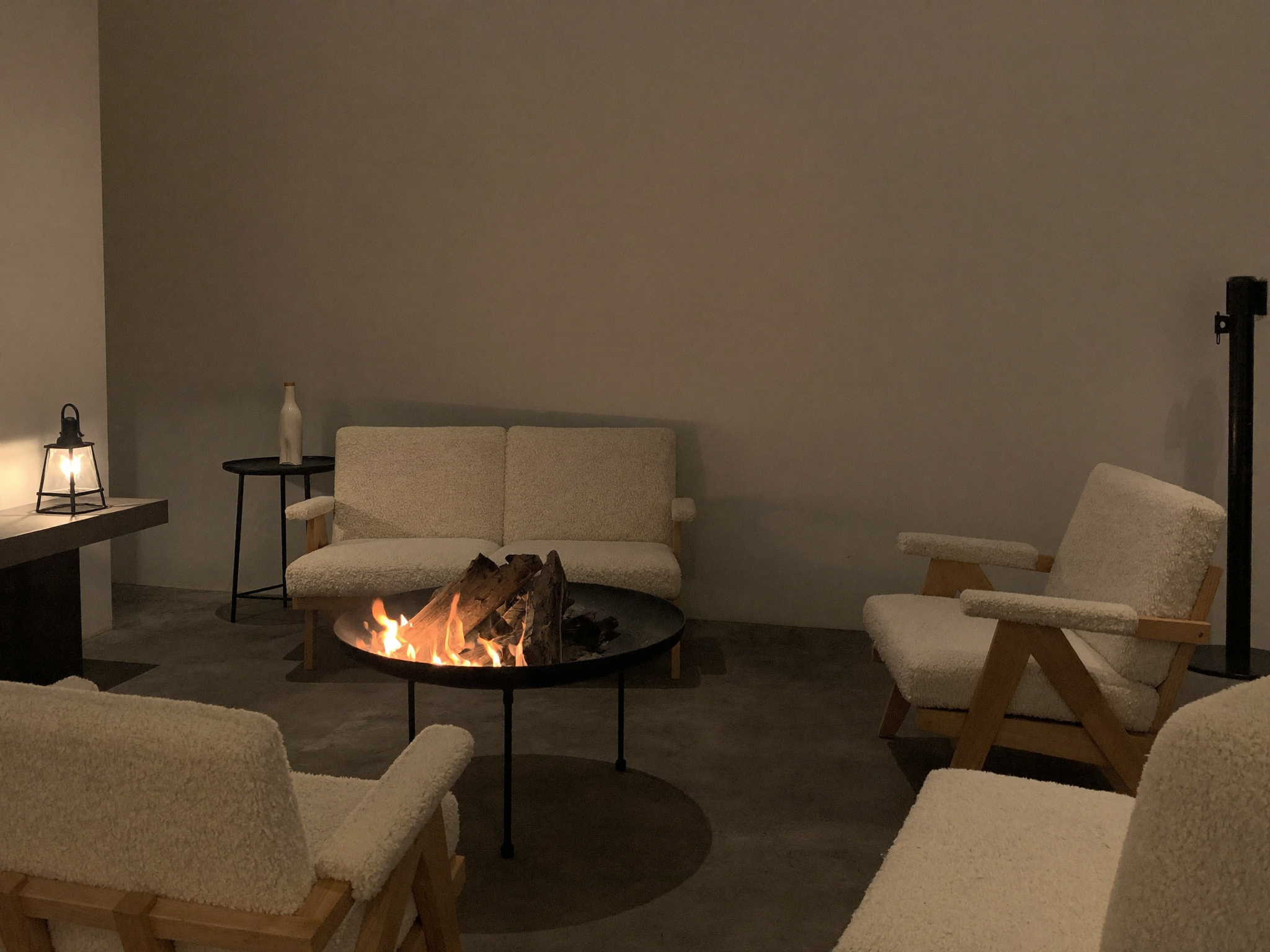
Electric fire pits and fireplaces range from units with an actual heating element to purely decorative models that project a flame like visual effect with no heat output at all. Neither type involves combustion of any kind, which removes carbon monoxide risk, open flame risk, and fuel storage entirely from the equation. The trade off is honest: an electric flame effect looks like fire and can genuinely fool the eye at a glance, but it does not replicate the crackle, scent, or radiant warmth of an actual flame the way a bioethanol burner does.
For a coffee table, a bedroom, or anywhere young children or pets have unsupervised access, electric is the category worth defaulting to unless there is a specific reason a real flame is required.
Nostalgia Tabletop Indoor Electric S'mores Maker
A flameless electric heater built specifically for indoor tabletop use, with four trays for graham crackers, chocolate, and marshmallows plus roasting sticks. No combustion, no fuel, no ventilation requirement.
Check price on Amazon2 in 1 Electric S'mores Maker and Fondue Pot
A temperature controlled electric heater that doubles as a fondue pot, with four roasting forks and detachable trays. Same zero combustion safety profile, more use cases per purchase.
Check price on AmazonSection fivePlacement rules that still apply indoors
Fire code clearance numbers are written for outdoor fire pits, but the underlying logic does not disappear indoors.
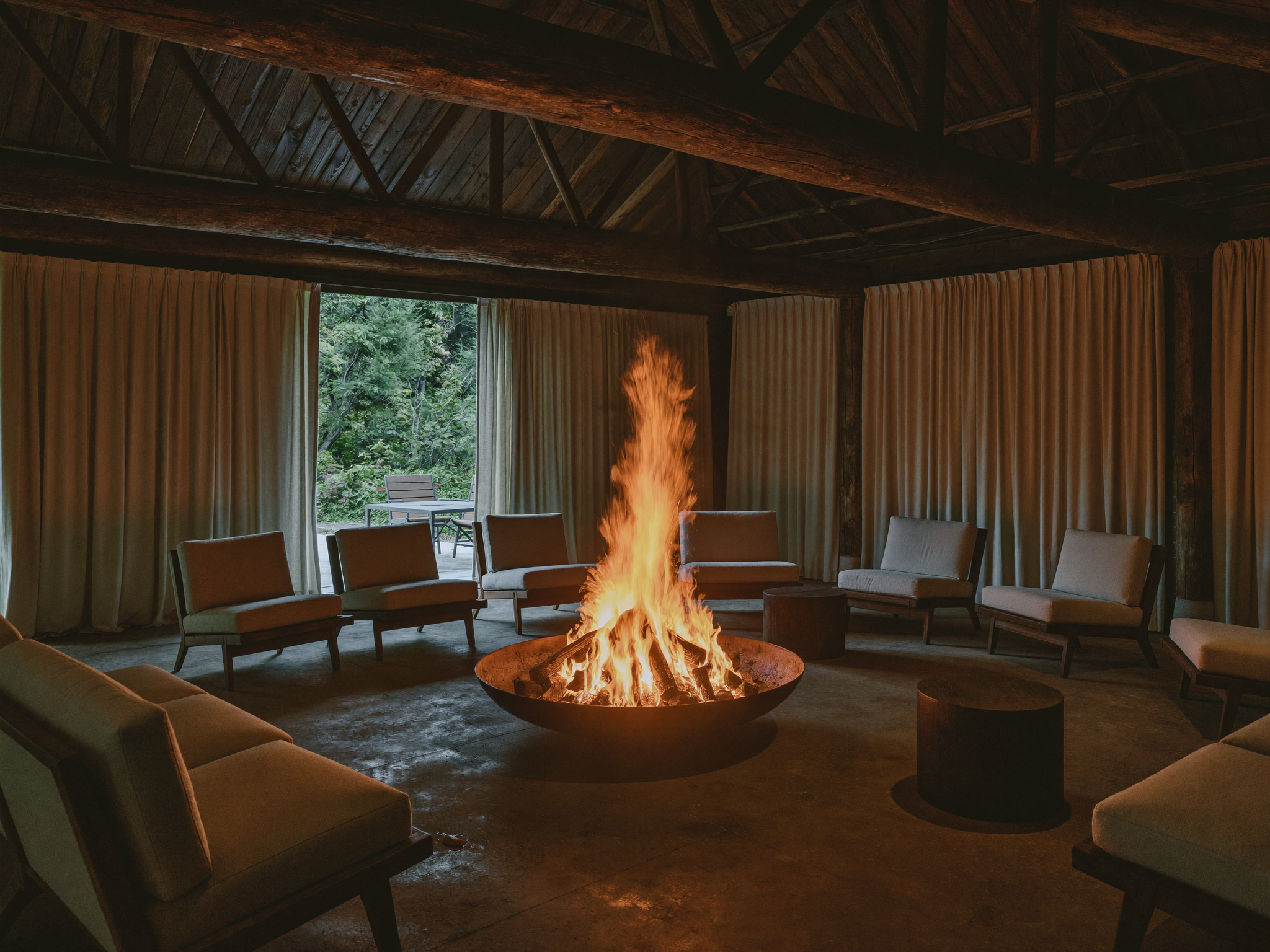
- Keep real distance from curtains, upholstery, and paper. An indoor room has far less open space to absorb radiant heat than a patio does.
- Never leave a lit unit unattended, including a bioethanol burner that looks like it is running low. The same attendance principle covered in our outdoor fire pit safety guide applies indoors, arguably with less margin for error given the confined space.
- Place on a stable, non combustible surface, not directly on a wood coffee table without a heat resistant base, and never near the edge where it can be knocked over.
- Keep children and pets at a real distance, since an indoor flame at coffee table height is at exactly the wrong height for curious hands and paws.
- Install a carbon monoxide alarm in the room, not just elsewhere in the home, if the unit involves any combustion at all.
For the fuel category most similar to what many indoor units use outdoors, our tabletop fire pit safety guide covers the same flame jetting hazard in an outdoor context, including how the CPSC recall process works for this category.
Section sixFrequently asked questions
What kind of fire pit can you use indoors?
In practice, an indoor fire pit almost always means one of two things: a bioethanol burner rated for indoor ventilated use, or an electric unit with a flame effect and no real combustion at all. Wood and propane are not safe for indoor use unless they are part of a permanently installed, professionally vented fireplace system, since both produce carbon monoxide that has nowhere to go without a flue.
Are bioethanol fire pits safe indoors?
They can be, when the specific unit meets voluntary safety standards and is used with real ventilation, but the category has a documented history of serious injuries. The Consumer Product Safety Commission has issued warnings and recalls for tabletop bioethanol and alcohol burning fire pits over flame jetting and pool fire hazards, some resulting in deaths and severe burns. Check any specific model against the CPSC recall database before buying, and never treat the vent free design as a reason to skip ventilation entirely.
Can an indoor fire pit cause carbon monoxide poisoning?
Any open flame burning fuel indoors can produce carbon monoxide if combustion is incomplete, which includes bioethanol units in a poorly ventilated room. The Consumer Product Safety Commission notes that carbon monoxide is produced by the incomplete burning of common fuels and causes more than 200 deaths a year in the United States from non-automotive products. A working carbon monoxide alarm in the same room as any indoor flame device is a genuine safety requirement, not an optional extra.
What is flame jetting on a tabletop fire pit?
Flame jetting happens when fuel is added to a burner that still has any flame present, igniting the vapor coming off the fuel container as it is poured and throwing burning liquid outward. The CPSC has linked this specific failure mode to deaths and dozens of serious burn injuries in tabletop and portable liquid fuel fire pits, and warns that the flame in these units can be difficult to see, especially in daylight, which is part of why refueling accidents happen.
Do electric fire pits produce real heat?
Some do, through a built in heating element, while others are purely a visual flame effect with no heat output at all. Neither type involves combustion, so there is no carbon monoxide risk, no open flame, and no fuel to store or refill. This makes electric units the least risky category for genuine indoor use, though they trade away the real flame and crackle that wood or bioethanol provides.
Keep readingRelated guides
Affiliate disclosure
FirePitSpot is a participant in the Amazon Services LLC Associates Program, an affiliate advertising program designed to provide a means for sites to earn advertising fees by advertising and linking to Amazon.com. As an Amazon Associate, we earn from qualifying purchases.
Product links on this page are affiliate links. If you click one and make a purchase, we may receive a commission at no additional cost to you. This does not influence which products we recommend or how we rank them, and we do not accept payment for placement. Read our full affiliate disclosure and our editorial policy.
How we research
Safety claims in this guide are drawn directly from Consumer Product Safety Commission warnings, consumer alerts, and recall notices, along with Environmental Protection Agency guidance on indoor air quality and carbon monoxide. Where a fuel's real world behavior differs from its marketing description, such as bioethanol's theoretical versus actual combustion byproducts, we say so rather than repeating the marketing claim as fact.
Learn more about how we test and who we are.