
The short version
- Water is the enemy, not fire. A pit can burn a thousand fires and survive one bad winter of standing water.
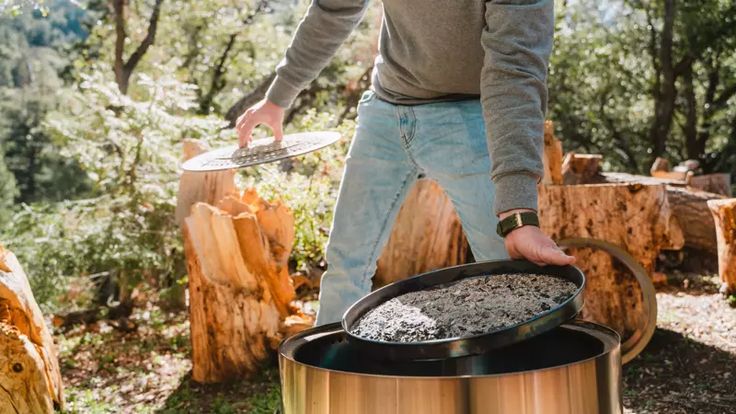
- A cover is the cheapest, highest return maintenance step available for any material.
- Stainless resists rust far better than carbon steel, but is not entirely immune, especially at welds.
- Chipped powder coat is where rust actually starts on painted steel, since it exposes bare metal underneath.
- Light surface rust is fixable. Rust that has eaten through the metal usually is not.
A fire pit's material and finish get most of the attention when people shop, but the thing that actually determines how long it lasts has almost nothing to do with the flame. It is what happens to the pit during the months it is not being used, sitting outside through rain, snow, and freeze cycles with nobody watching.
Section oneWhat actually causes rust
Understanding the mechanism makes every prevention step below make sense.
Illustration
Where rust actually starts
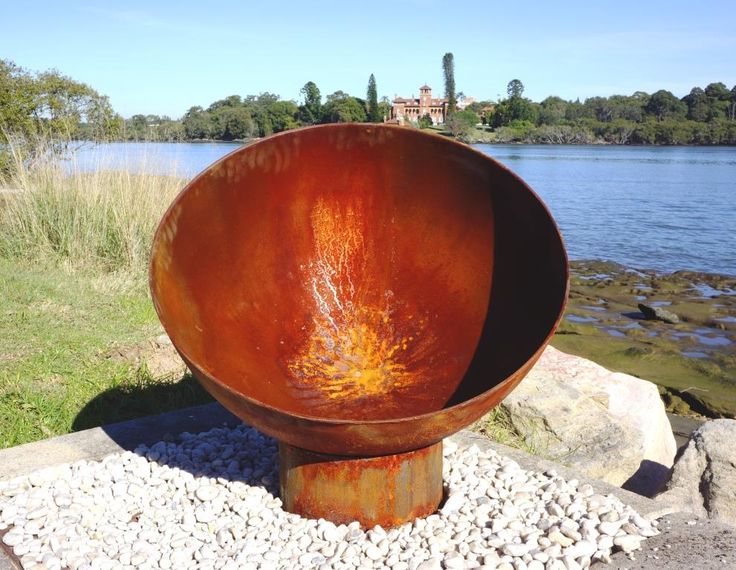
Water sitting at the lowest point of an uncovered bowl is the most common starting point for rust, especially through repeated freeze and thaw cycles that stress the metal's protective finish.
Steel rusts through a chemical reaction between iron, oxygen, and water, oxidation, that requires sustained moisture contact to really take hold. A quick rain shower that dries within a day does little damage. Water that sits in the bottom of an uncovered bowl for days, especially through a freeze and thaw cycle where ice expansion stresses the metal's surface finish, is a completely different problem, and it is the primary reason fire pits fail years before the fire itself would have worn them out.
Section twoHow different materials hold up
| Material | Rust resistance | Weak point |
|---|---|---|
| 304 stainless steel | High | Welds and scratches can still corrode |
| Corten weathering steel | High, by design | Develops a stable rust patina intentionally, can bleed onto pavers underneath |
| Powder coated carbon steel | Moderate | Rusts quickly once the coating chips |
| Cast iron | Low without care | Rusts readily if left uncovered, needs seasoning or coating |
| Cast aluminum | Very high, does not rust | Can oxidize to a dull white but will not structurally rust |
Corten steel deserves a specific note, since it is often marketed around rust in a way that confuses buyers. Corten is engineered to develop a stable, protective rust layer on purpose, which is why it looks orange brown even when new and healthy. That is different from the destructive, ongoing rust that eats through carbon steel with a damaged powder coat. Corten's patina stabilizes and stops spreading once fully formed, while unprotected carbon steel rust does not.
Section threePrevention that actually works
Section fourRemoving rust once it starts
Not every bit of rust means the pit is done for.
- Assess the depth first. Surface rust that has not perforated the metal is cosmetic and fixable. Rust that has eaten through to create holes is structural, and no amount of cleaning restores that metal.
- Scrub with a wire brush or steel wool to remove loose, flaking rust down to a stable surface.
- For heavier rust, use a wire wheel attachment on a drill for faster, more thorough removal across a larger area.
- Wipe the surface clean of dust and debris once the rust is removed.
- Apply a high heat resistant finish, either a heat rated paint made for fire pits and grills, or a light coat of high smoke point oil for cast iron, to protect the now exposed metal.
When to stop and replace instead
Rust that has fully perforated a wall, especially anywhere structural like the base or a load bearing seam, is a safety issue, not just an appearance one. A pit in that condition should be replaced rather than patched, since a compromised structure can fail unpredictably under heat.
Keep readingRelated guides
QuestionsFrequently asked
What causes a fire pit to rust?
Standing water sitting on bare steel, especially through a freeze and thaw cycle, is the primary cause. Fire itself does not rust a pit. A cover that keeps rain and snow out of the bowl prevents the vast majority of rust that fire pits develop over their lifespan.
Does stainless steel rust?
Stainless steel resists rust far better than carbon steel but is not entirely immune, especially at welds, cut edges, or where the chromium oxide layer has been damaged by scratching or harsh chemical cleaners. Heat discoloration on stainless is cosmetic, not rust, and does not indicate a problem.
How do you remove rust from a fire pit?
Light surface rust comes off with a wire brush and steel wool, followed by a wipe down and a coat of high heat resistant paint or oil to protect the exposed metal. Heavier rust may need a wire wheel attachment on a drill. Rust that has fully perforated the metal is a structural problem, not a cosmetic one, and usually means replacement rather than repair.
Should you store a fire pit for winter?
A weatherproof cover left on year round works for most climates. In regions with heavy snow, freezing rain, or extended winters, moving the pit to a covered space such as a garage or shed adds meaningful protection beyond a cover alone, particularly for portable pits light enough to move easily.