The short version
- Moisture beats species. Wet oak underperforms dry cottonwood. Get the moisture right first.
- Hardwood burns longer and produces coals. Softwood lights fast, burns hot briefly, and throws more sparks.
- Twenty percent moisture is the line. Below it, wood burns clean. Above it, expect smoke and hiss regardless of species.
- A moisture meter costs less than a single tank of propane and answers the question in seconds instead of guessing.
- Smokeless pits are pickier than open pits. Secondary combustion needs dry fuel to work at all.
Most firewood advice fixates on species rankings, as if picking hickory over maple is the decision that determines whether your fire pit smokes you out of your own patio. It is not. The wood species you burn changes the total heat output by maybe 20 to 30 percent across the realistic range of what is available to most buyers. The moisture content of that wood changes the burn quality by a much wider margin, and it is the actual reason a fire pit smokes, hisses, or refuses to catch.
This guide ranks species honestly, but spends more time on the variable that actually controls your experience: how dry the wood is when you burn it.
Section oneFirewood species, ranked by heat
Figures below are heating value per cord at a standard 20 percent moisture content, drawn from forestry extension data.
Chart
Heating value by species, million BTU per cord
Source: Virginia Tech Forest Update, firewood heating values by species at 20 percent moisture content. Regional availability varies considerably. Osage orange, if you can find it, tops nearly every chart at close to 33 million BTU per cord, but it is rarely sold commercially.
What the ranking actually means for a fire pit
Higher BTU per cord translates to longer burn time and hotter coals, which matters most for an extended evening or for cooking. For an average two to three hour fire pit session, the difference between top tier oak and mid tier maple is real but not dramatic. What matters far more in practice is availability: buy the densest hardwood sold locally and seasoned properly, rather than driving across town chasing a specific species.
Hardwood versus softwood, the practical difference
| Trait | Hardwood | Softwood |
|---|---|---|
| Heat output | Higher, longer burn | Lower, faster burn |
| Coal bed | Builds a lasting bed | Minimal coals |
| Ignition speed | Slower to catch | Lights quickly |
| Sparks | Fewer | More, due to resin |
| Seasoning time | Up to a year or more | Around six months |
| Best role | Main fuel | Kindling, short fires |
The practical answer for most people is both: softwood kindling to get a hot fast start, hardwood to sustain the burn once it is established. This is standard practice and it works well specifically because it plays to each wood type's strength.
Section twoThe moisture target, and why it matters more than species
This is the section that actually changes how your fires perform.
Freshly cut, or green, wood is roughly 45 to 60 percent water by weight. Before that wood can burn efficiently, the fire has to boil off the water first, which consumes energy that would otherwise go into flame and heat. The EPA is specific about the target: firewood should season below 20 percent moisture content before burning. Wood above that threshold hisses, smokes heavily, and can lose roughly a quarter to a third of its rated heat output to evaporating water instead of producing warmth.
Reference
Moisture content and what it means for the burn
Target sourced from EPA Burn Wise guidance. A moisture meter pressed into a freshly split face, not the weathered outer surface, gives the most accurate reading.
Why this matters even more in a smokeless pit
A double wall smokeless pit works by reigniting rising smoke through preheated air jets. That system has a limited capacity: it can reburn a normal volume of combustion gas, but wet wood releases far more vapor than dry wood, and once that volume exceeds what the jets can process, the smoke simply escapes unburned. This is the single most common reason someone buys an expensive smokeless pit and still ends up smoked out, and it has nothing to do with the pit. More detail on the mechanism is in our how smokeless fire pits work guide.
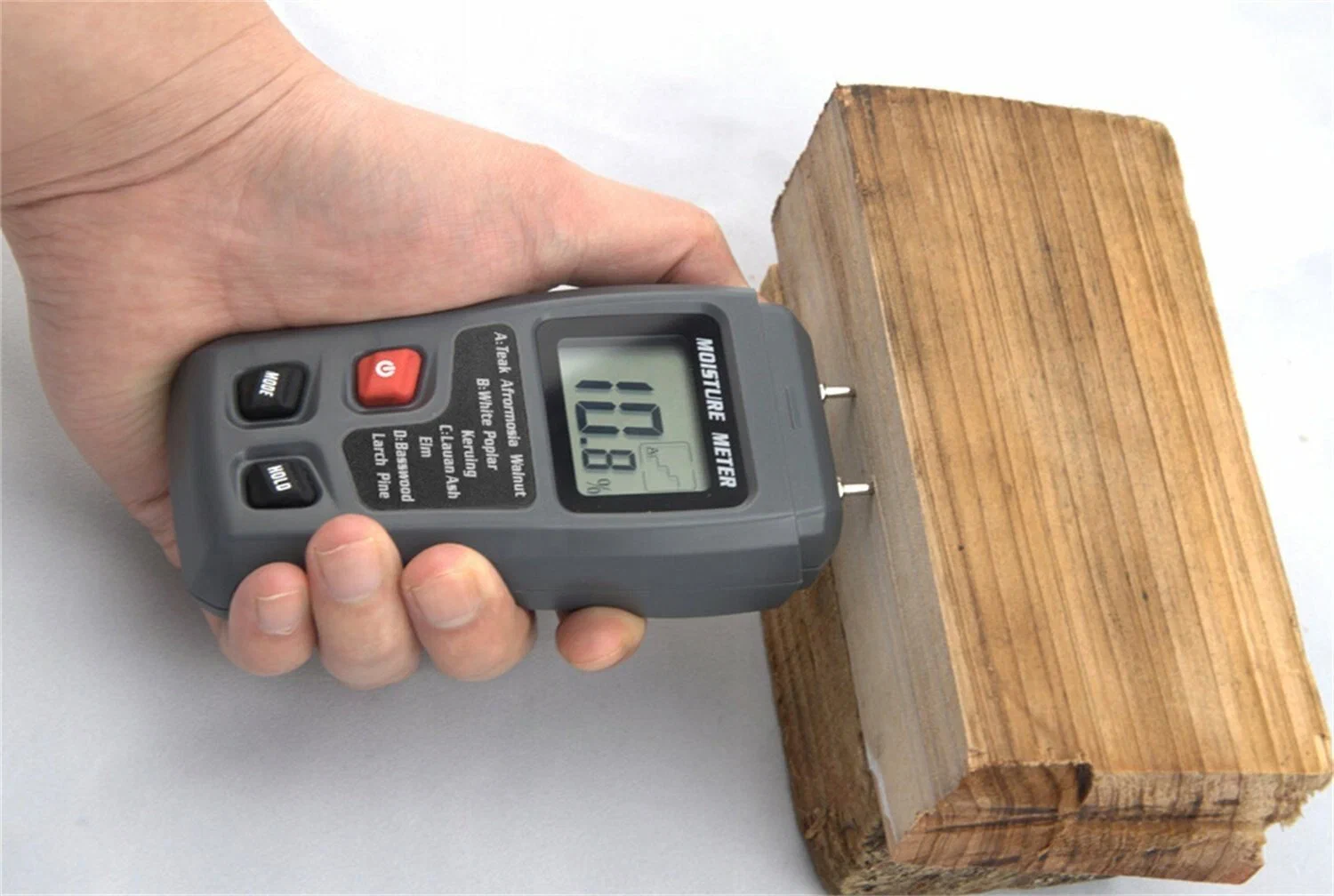
Firewood moisture meter
Press the pins into a freshly split face for an accurate reading in seconds. This is the cheapest way to stop guessing.
Check price on AmazonWoodhaven 8 Foot Firewood Rack
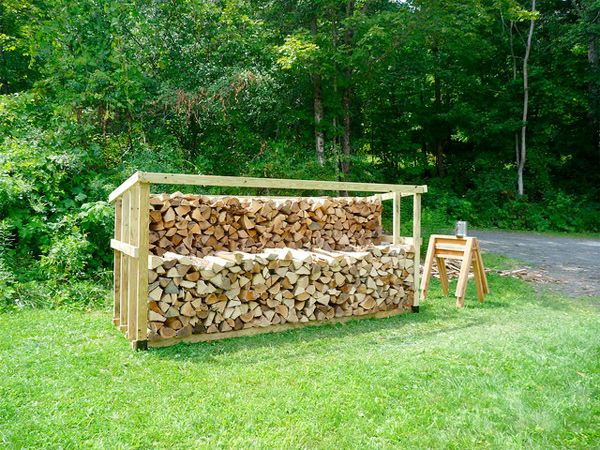
Off the ground and covered on top while the sides stay open to airflow is the seasoning setup that actually works. Half cord capacity, heavy duty steel.
Check price on AmazonKiln-dried oak firewood bundle
Kiln drying takes wood well under 20 percent moisture, so it burns clean the same day you buy it. Sized to fit a Solo Stove and most smokeless pits.
Check price on AmazonSection threeHow to season firewood properly
Seasoning is really just controlled drying, and the setup matters more than the calendar.
Timeline
Typical seasoning time by wood type
Timeline reflects EPA Burn Wise seasoning guidance. Actual time depends heavily on climate, humidity, and how the wood is stacked. A moisture meter is the only way to confirm readiness rather than assume it from elapsed time.
The setup that actually dries wood
- Split it. Bark seals in moisture. Splitting exposes fresh wood surface and cuts drying time dramatically compared to leaving rounds whole.
- Stack it off the ground. A pallet or rack keeps the bottom row from sitting in ground moisture, which is one of the most common seasoning mistakes.
- Cover the top only. A tarp or roof over the top sheds rain, but wrapping the sides traps moisture inside the stack and slows drying. Leave the sides open to wind.
- Leave gaps for airflow. A loose stack dries faster than a tightly packed one. Cross stacking the ends helps air move through.
- Face it toward sun and wind if you have a choice of orientation. Both accelerate drying meaningfully.
Section fourWhat not to burn
| Material | Verdict | Why |
|---|---|---|
| Green or unseasoned wood | Avoid | Wastes heat boiling off water and produces heavy smoke |
| Driftwood | Avoid | Salt content releases corrosive compounds when burned |
| Treated or painted lumber | Never | Releases toxic chemical compounds into the smoke |
| Plywood or particleboard | Never | Glues and resins release harmful fumes when burned |
| Yard waste and leaves | Avoid | Heavy smoke, and often classed as illegal open burning locally |
| Trash, plastic, cardboard | Never | Toxic emissions and unpredictable flare ups |
| Charcoal briquettes | Different use | Made for grilling, not a wood fire pit, and can carry additives |
Additional reference on emissions and health effects: EPA, wood smoke and your health.
On accelerants
Never use gasoline, lighter fluid, or any liquid accelerant to start or revive a fire pit fire. Vapor from these fuels can ignite explosively and travel back up the stream to the container, which is a documented cause of serious burn injuries. Dry kindling, a fire starter, or a long lighter are the safe way to get a fire going.
QuestionsFrequently asked
What is the best firewood to burn in a fire pit?
Dense, well seasoned hardwood. Oak, hickory, ash, and hard maple are the most widely available high heat options in the United States, and all four season well and burn clean at low moisture. Hickory and oak deliver roughly 24 to 28 million BTU per cord when properly dried, noticeably more than softer hardwoods like cottonwood or aspen.
How long does firewood need to season before burning?
The EPA recommends seasoning softwood for roughly six months and hardwood for at least a year, split, stacked off the ground, and covered on top while leaving the sides open to airflow. Dense hardwoods like oak can take up to two years to fully season. Moisture content is what actually matters, not the calendar, so checking with a moisture meter is more reliable than counting months.
What moisture content should firewood be for a fire pit?
Below 20 percent, per EPA guidance. Freshly cut green wood commonly measures 45 to 60 percent moisture and will not burn cleanly at that level. A moisture meter pressed into a freshly split face gives an accurate reading in seconds, and is the only reliable way to confirm wood is ready rather than guessing by weight or sound.
Can you burn pine in a fire pit?
Yes, if it is dry. Pine and other softwoods season faster than hardwood, light quickly, and work well as kindling or for a shorter evening fire. They burn faster and cooler than hardwood and throw more sparks due to resin content, so a spark screen matters more with softwood than with oak or hickory. Wet pine is a heavy smoke producer because of that same resin content.
Why does wet wood smoke so much more?
Water has to boil off before the wood itself can combust efficiently, so a wet fire spends much of its energy evaporating moisture instead of burning cleanly. That incomplete combustion releases more unburned particulate and vapor as visible smoke. In a smokeless double wall pit, wet wood also defeats secondary combustion, since the jet system cannot reburn a volume of smoke and vapor that large.
Keep readingRelated guides
Affiliate disclosure
FirePitSpot is a participant in the Amazon Services LLC Associates Program, an affiliate advertising program designed to provide a means for sites to earn advertising fees by advertising and linking to Amazon.com. As an Amazon Associate, we earn from qualifying purchases.
Links on this page are affiliate links. If you click one and make a purchase, we may receive a commission at no additional cost to you. Read our full affiliate disclosure.