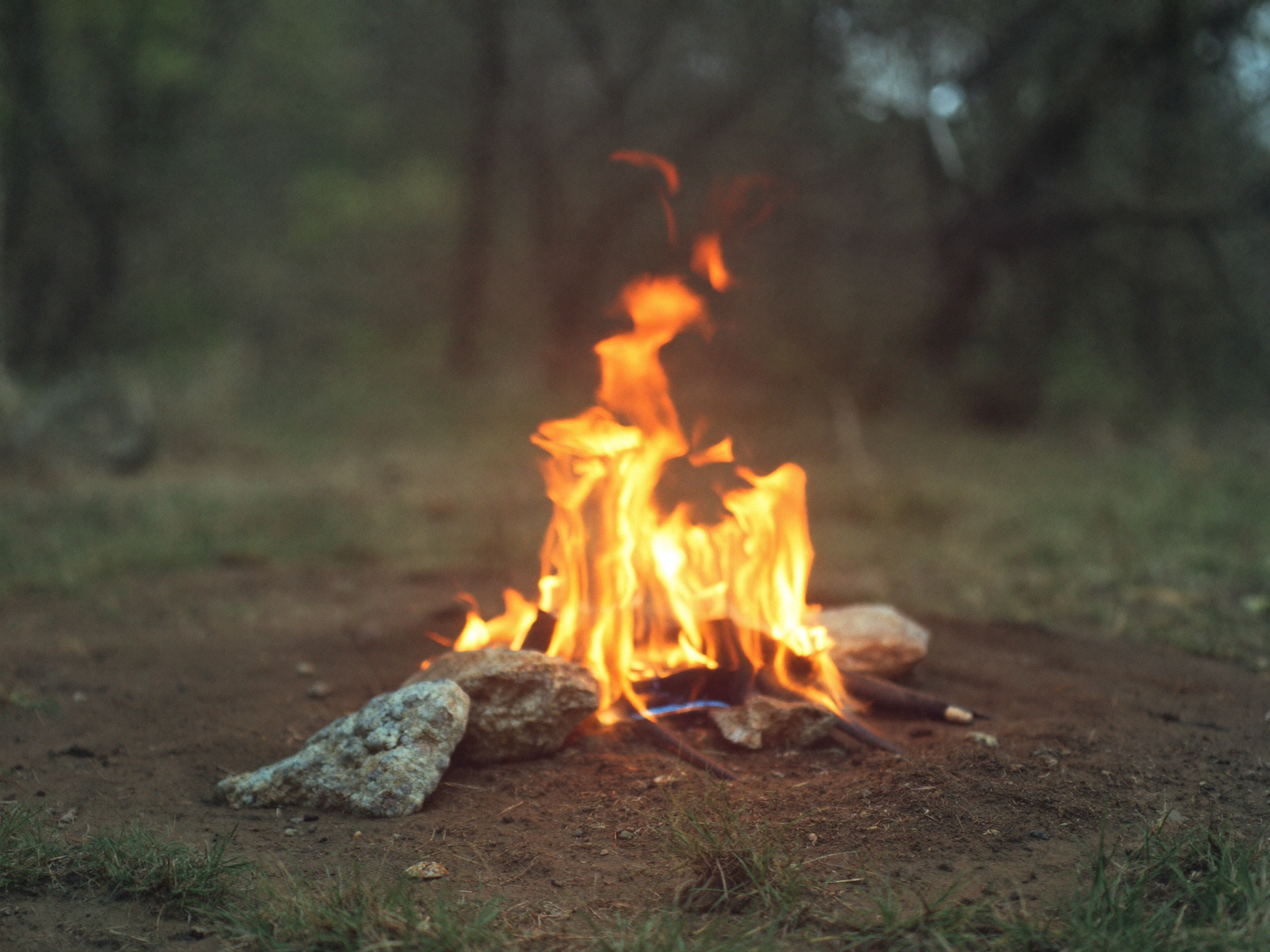
Ask three neighbors to define a bonfire and a fire pit and you will likely get three different answers, all reasonable, all somewhat different. Fire code does not work that way. It does not care what a fire looks like or what the homeowner calls it in conversation, it cares about containment and size, and it assigns a specific, numeric clearance distance to each category. Getting the category wrong is the most common way a backyard fire ends up technically out of compliance without anyone realizing it.
Same backyard, three different rulebooks
The International Fire Code does not organize outdoor fires by what people call them. It organizes them by containment and size, and those categories carry very different clearance requirements. A contained, manufactured unit is a portable outdoor fireplace. An open fire on the ground, including most DIY built pits, is a recreational fire. A large, uncontained fire above a certain size threshold is a bonfire. The backyard fire pit most people picture usually falls into the first or second category, almost never the third.
Distances from the International Fire Code, Chapter 3. Local ordinances frequently set different or additional numbers, so these are the code minimums, not a substitute for checking the local rule.

Where an outdoor fireplace fits in
An outdoor fireplace, distinct from a fire pit, is generally a permanent, vertical masonry or stone structure with a firebox and a chimney, closer in design to an indoor fireplace than to a bowl style fire pit. It is most often built into a patio or outdoor kitchen rather than purchased as a standalone unit. The distinction matters more for permitting and construction than for clearance, since a permanent structure typically triggers a building permit regardless of category, but the same general setback logic still applies once it is lit.
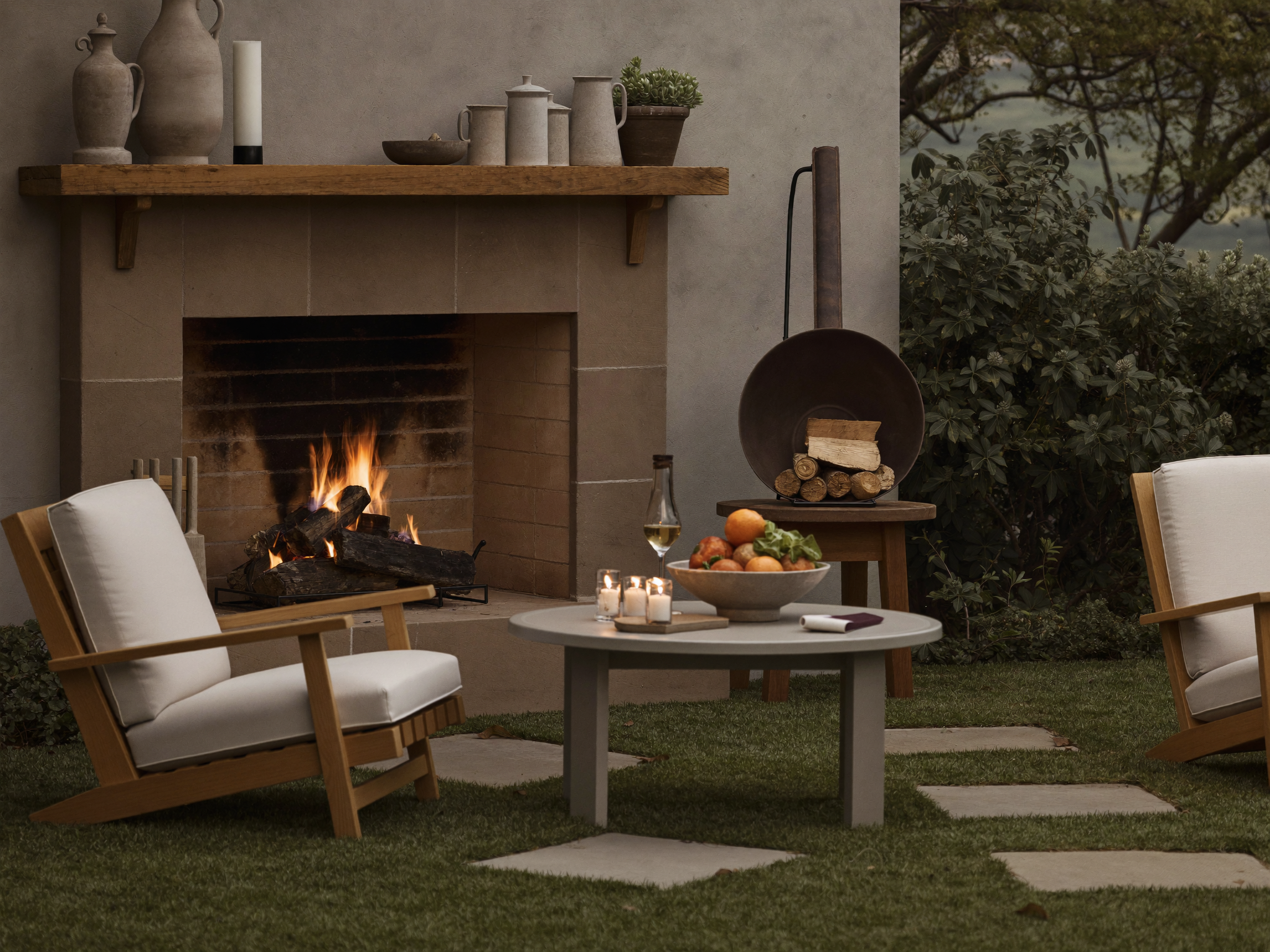
Portable outdoor fireplace
Manufactured, contained, usually sold with a spark screen. Follow the manufacturer's instructions in addition to the code minimum, since a listed unit's own manual can require more clearance than the code floor.
Recreational fire
Open to the air, on the ground, no enclosure. Most DIY paver or brick rings and sunken pits fall here by default unless a manufactured screen changes the category.
Bonfire
Uncontained and above the code's fuel area threshold. Almost never what a residential backyard fire actually is, but worth knowing the line exists.
| Portable outdoor fireplace | Recreational fire pit | Outdoor fireplace | |
|---|---|---|---|
| Typical construction | Manufactured steel, spark screen included | Open bowl, DIY built or store bought without a screen | Masonry or stone, vertical, chimney |
| Permanence | Usually movable | Fixed if built into the ground, movable if a bowl | Permanent, built structure |
| Typical permit need | Rarely, for the unit itself | Sometimes, for a permanent excavated build | Almost always, as a construction project |
| Fire code category | Portable outdoor fireplace | Recreational fire | Often treated as an accessory structure with its own building code section |
Why the category actually matters
Two backyards can have what looks like the identical steel bowl sitting on identical pavers, and one can be fully compliant at 16 feet from the house while the other is in violation, simply because one has an enclosed spark screen that qualifies it as a contained unit and the other does not. This is also the distinction that decides whether a fire counts as exempt during a burn ban in some jurisdictions, since open recreational fires are restricted first and most aggressively.
Frequently asked questions
What is the legal difference between a fire pit and a bonfire?
Fire code treats a bonfire as a large, uncontained open fire, typically defined by a minimum size threshold, and requires far more clearance than a smaller open recreational fire or a contained portable unit. A backyard fire pit almost never legally qualifies as a bonfire unless it's unusually large.
Is a fire pit considered open burning?
It depends on the design. A manufactured, enclosed unit with a spark screen is typically classified as a portable outdoor fireplace, separate from open burning. An unenclosed fire on bare ground, including many DIY built pits, usually falls under the broader recreational fire or open burning category instead.
What counts as an outdoor fireplace versus a fire pit?
An outdoor fireplace is typically a permanent, vertical structure with a firebox and chimney, often built into a patio or outdoor kitchen. A fire pit is usually a lower, open topped bowl or ring. The distinction matters for permitting more than for clearance, since both still fall under similar setback rules.
Does a spark screen change which fire code category a fire pit falls into?
It can. A manufactured unit with an enclosed spark screen more often qualifies as a portable outdoor fireplace, the category with the shortest code minimum clearance. An open bowl without a screen, or a DIY ring built on bare ground, more often falls under the recreational fire category instead, which carries a longer minimum distance from a structure.
Does the size of the fire itself change which category applies?
Yes. The International Fire Code sets a specific fuel area threshold, generally around 3 feet in diameter and 2 feet in height, for a fire to qualify as a recreational fire. A fire larger than that threshold can be reclassified as a bonfire, which carries the longest code minimum clearance of the three categories.
Sources
- International Code Council: International Fire Code, Chapter 3, General Requirements