
The short version
- 15 feet is the model code minimum for a portable, contained fire pit.
- 10 feet is the more conservative figure NFPA's educational guidance actually recommends.
- 25 feet applies to an open recreational fire, not a manufactured pit.
- 50 feet applies to a bonfire, the largest and least contained category.
- Local rules can be stricter, and some add a separate distance from the property line.
This is one of the most searched fire pit questions, and most answers online give a single number without explaining why it does not match the number on a different site. The real answer is that fire code splits outdoor fires into distinct legal categories, and each one carries its own minimum distance. This page works through all of them so you know which number actually applies to what you own.
Section oneWhich category is your fire
Answer this first. It determines every number that follows.
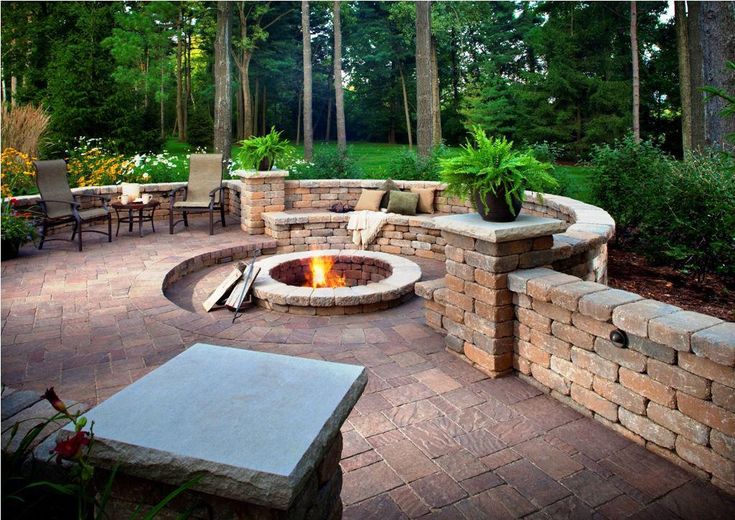
Nearly everyone who buys a fire pit from a retailer, whether a Solo Stove, a Breeo, or a propane table, falls into the first category. A manufactured, contained unit used according to its instructions is a portable outdoor fireplace under model code, and that is the 15 foot rule that applies to almost every product covered on this site.
Section twoThe distances, visualized
Diagram, drawn to scale
Clearance radius by fire type
Sources: International Fire Code Section 307 for the 15, 25, and 50 foot minimums. NFPA's fire pit guidance for the 10 foot figure. Model code minimums; local ordinances can require more.
Why NFPA's number is smaller than the code minimum
The 10 foot figure comes from NFPA's educational messaging, aimed at everyday safety practice, not the enforceable legal minimum. It is a stricter, more conservative number than the 15 foot code requirement for a portable outdoor fireplace, which is part of why it shows up so often in general safety advice: it is the number worth aiming for even where 15 feet is technically compliant.
Overhead counts too
Any roof, overhang, pergola, or tree canopy above the fire pit counts as combustible material or a structure for clearance purposes if it could catch fire or trap rising heat and embers. A fire pit needs clearance from what is above it, not just from exterior walls, so check the space overhead before you settle on a spot.
Section threeThe property line rule most people miss
A number the model code does not mention, but many local ordinances add.
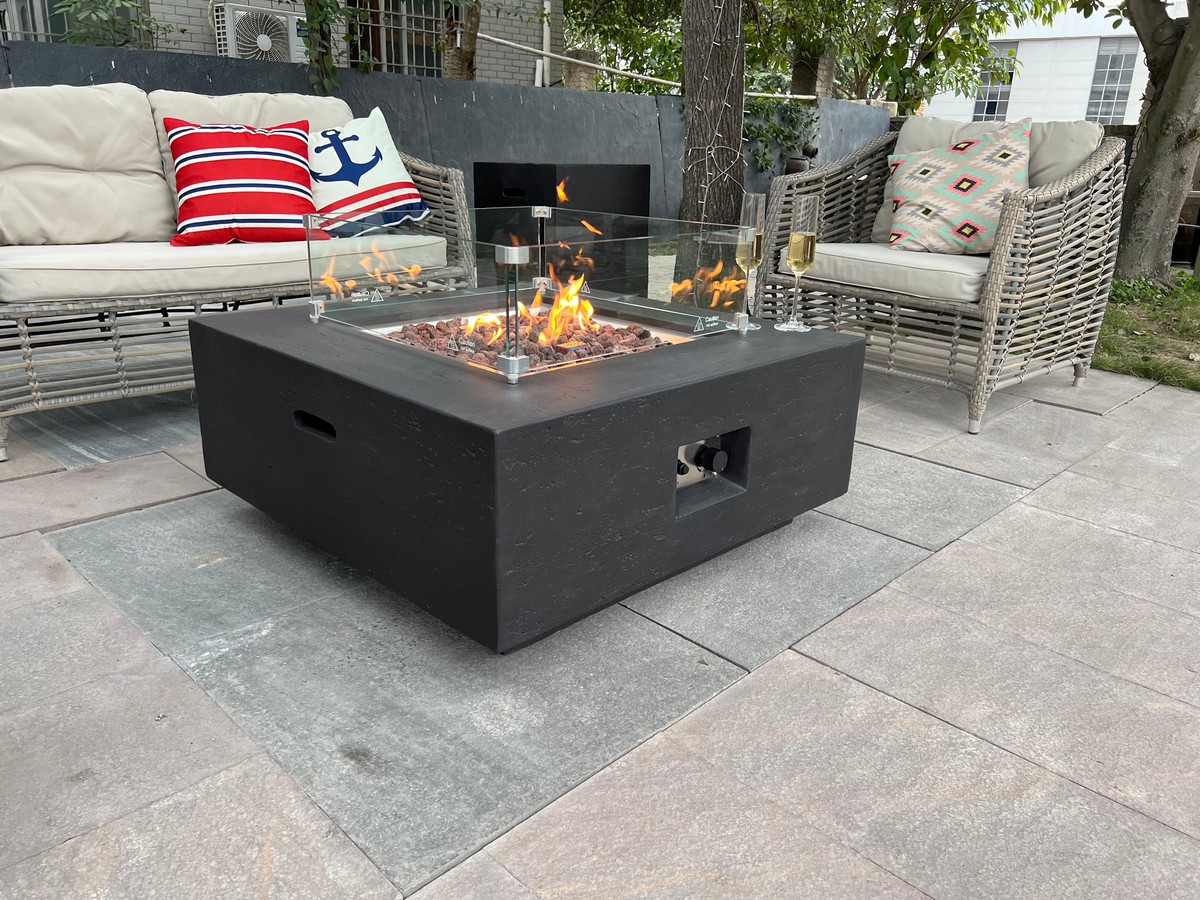
Some cities and counties require a fire pit to sit a minimum distance from the property line, entirely separate from the distance required from a structure. Where this rule exists, it commonly runs 5 to 10 feet from any property boundary. The Town of Cary, North Carolina, for example, requires stationary outdoor fire pits to sit at least 5 feet from property lines in addition to at least 15 feet from structures including decks.
This matters most on narrow lots or corner properties, where the property line, not the house, ends up being the binding constraint on where a fire pit can legally go. Always check both numbers for your specific address, since one alone does not guarantee compliance.
Section fourHow to measure it correctly
A quick, correct way to confirm a spot before you commit to it.
- Measure from the nearest exterior wall of the house, not from a deck railing, patio edge, or other intermediate structure, unless your local code specifically measures from one of those instead.
- Measure to the edge of the fire pit closest to the house, not its center.
- Check overhead separately. A roofline or overhang can be closer horizontally than the wall while still violating clearance if it hangs over the fire pit.
- Check the property line distance too, if your local ordinance includes one.
- When in doubt, call the local fire department. This is a genuinely quick question for them to answer, and it removes any ambiguity for your specific address.
Keep readingRelated guides
QuestionsFrequently asked
How far does a fire pit need to be from a house?
Model fire code sets a portable outdoor fireplace at a minimum of 15 feet from a structure or combustible material. An open recreational fire needs at least 25 feet, and a bonfire needs at least 50 feet. NFPA's educational guidance for fire pits specifically suggests a minimum of 10 feet. Local ordinances frequently set stricter distances than the model code, so confirm the number with your city or county before placing a fire pit.
Does the distance rule apply to a neighbor's fence too?
Some jurisdictions add a separate minimum distance from the property line, distinct from the distance from a structure. Where that rule exists, it commonly runs 5 to 10 feet from any property line, in addition to the structure setback. Not every jurisdiction includes a property line rule, so check your specific local ordinance rather than assuming the structure distance alone covers it.
Does a covered patio count as a structure for clearance purposes?
Yes. Any roof, overhang, pergola, or covered structure counts as combustible material or a structure for clearance purposes if it can catch fire or trap rising heat and embers. A fire pit needs to sit clear of roof lines and overhangs regardless of how the covered space is used, not just clear of exterior walls.
What counts as a portable outdoor fireplace versus a recreational fire?
A portable outdoor fireplace is a manufactured, contained unit, typically steel, concrete, or clay, built and sold for the purpose and used according to its instructions. A recreational fire is an open fire built directly on the ground without a contained vessel, with a fuel area of 3 feet or less in diameter and 2 feet or less in height under model code. The category the fire falls into determines which minimum distance applies.
Editorial note
This page summarizes published fire code and common municipal ordinance patterns for general education. It is not legal advice and does not replace confirming requirements with your local fire department for your specific address. Read our editorial policy for more.