
- Home
- How to light a gas fire pit
How to
How to light a gas or propane fire pit
A gas fire pit should light on the first try, every time. When it does not, the cause is almost always one of four things, and every one of them is easy to check before you assume the unit is broken.
The short version
- Check the media bed before anything else. Fire glass or lava rock that has shifted over the burner ports is the single most common ignition problem.
- Open the valve fully, not partway. A partially open valve is the second most common cause of a weak or failed light.
- Hold the knob after ignition. Most systems need a few seconds of held contact for a safety valve or thermocouple to register the flame before it will stay lit on its own.
- Test for leaks with soap and water, never with flame. Growing bubbles at a connection point mean a leak at that joint.
- If you smell gas, stop. Do not attempt ignition. Shut off the supply and address the leak first.
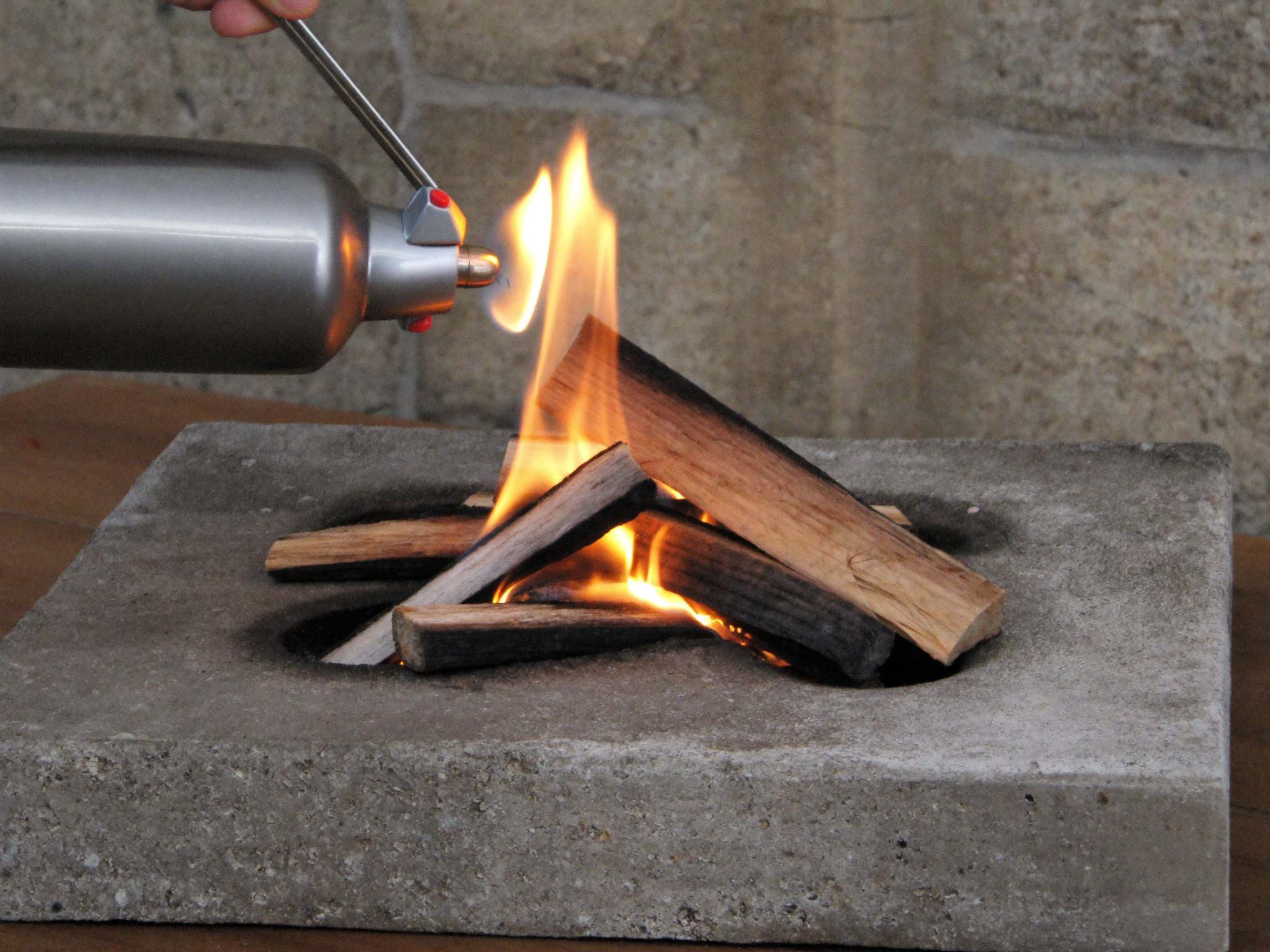
Gas and propane fire pits are simple appliances by design, which is exactly why a failed light is almost always something small and fixable rather than a real mechanical fault. This guide walks through the correct sequence once, then covers the checks that solve the vast majority of ignition problems people actually run into.
Section oneBefore you touch the igniter
Two checks here prevent most of the frustration that follows.
Signature diagram
Where the gas actually travels
Two checks before ignition
The media bed. Fire glass or lava rock that has shifted or piled up over the burner ports blocks the gas from mixing with air properly, which can prevent ignition or cause a weak, sooty flame even when everything else is working. Clear the ports before lighting.
The valve. Confirm the propane tank valve is open completely, or the natural gas line's dedicated shutoff valve is fully open. A partially open valve restricts flow enough to cause a weak flame or a failed light, and it is the single most common reason a working fire pit will not light on a given day.
Section twoThe ignition sequence
Five steps, and the order matters more than people expect.
Method
Lighting the burner
- Check the media bedConfirm fire glass or lava rock is not covering the burner ports or the ignition assembly.
- Open the fuel supply fullyOpen the propane tank valve completely, or open the dedicated shutoff valve on a natural gas line.
- Set the control knob to the ignition positionFollow the manufacturer's specified position, which is usually a marked pilot or start setting rather than jumping straight to a high flame setting.
- Engage the igniterPress or turn the piezo or electronic igniter while holding the control knob as directed, until the burner lights.
- Hold before adjustingKeep the knob held in the ignition position for the time specified in your manual, commonly several seconds, so the safety valve or thermocouple can register the flame, then release and adjust to your preferred height.
That hold step at the end is the one people skip most often, and it is why a fire pit will sometimes light, then die the instant the knob is released. Most gas appliances use a thermocouple or similar safety sensor that needs a few seconds of flame contact before it will keep the gas valve open on its own. Releasing too early cuts the gas before that sensor has registered anything.
Section threeTesting for a leak, the right way
This takes two minutes and answers a safety question you should never guess at.

Method
The soap bubble test
- Mix dish soap with waterA simple solution of a few drops of dish soap in a small cup of water is enough.
- Turn on the gas supply, but do not light the burnerOpen the valve so gas is flowing to the connections you are testing.
- Apply the solution to every connection pointCover the tank valve, the regulator, and each hose fitting with the soapy solution.
- Watch for growing bubblesA connection with a leak will produce bubbles that grow and multiply, not just a single static bubble from application.
- Shut off the gas and address any leak foundTighten the connection, and if bubbles persist, replace the hose or fitting before using the unit.
Never use an open flame to check for a gas leak. This is a documented, well known ignition hazard, and it defeats the entire purpose of testing before lighting the unit.
Section fourTroubleshooting the most common problems
Almost every ignition complaint falls into one of these four categories.

| Symptom | Likely cause | First fix to try |
|---|---|---|
| Clicks, does not light | Closed or low tank valve, air in line after a tank change, blocked ports | Fully open the valve, clear the media bed, try again |
| Lights, then dies immediately | Knob released before the safety sensor registers flame | Hold the knob longer in the ignition position |
| Weak or low flame | Low tank, partially open valve, regulator issue | Check tank fuel level and confirm the valve is fully open |
| Yellow or sooty flame instead of blue | Blocked burner ports, incomplete combustion | Clear media away from ports and inspect for debris |
| Smell of gas before lighting | Possible leak at a connection | Stop, run the soap bubble test, do not attempt ignition |
If none of these resolve the issue, or if you smell gas persistently even after shutting off the supply, stop troubleshooting and contact a qualified technician or your gas provider rather than continuing to attempt ignition.
If you smell gas, stop
Do not attempt to light the unit, and do not operate any electrical switches or igniters near it. Shut off the gas supply at the tank or line valve if you can safely reach it, and move away from the area. Carbon monoxide and unburned gas are both real hazards around any fuel burning appliance, and the U.S. Consumer Product Safety Commission notes that carbon monoxide from incomplete combustion of common fuels is responsible for more than 200 deaths a year from non-automotive products. A persistent smell after shutoff is a reason to call a professional, not to keep testing.
Section fiveShutting down properly matters just as much
Lighting a gas fire pit correctly is only half the routine.
Turn the control knob to off first, which stops the flame, then close the valve at the tank or the line shutoff to secure the fuel supply. Let the unit cool fully before covering it or handling the media, since fire glass and lava rock both hold heat well after the flame is gone. The full shutdown sequence, including why you should never pour water on hot fire glass to speed up cooling, is covered in our how to put out a fire pit guide.
Section sixFrequently asked questions
How do you light a propane fire pit?
Open the tank valve fully, set the control knob to the ignition position specified in the manual, then press or turn the igniter while holding the knob as directed until the burner lights. Hold briefly to let the safety mechanism register the flame before releasing and adjusting to your preferred flame height.
Why does my gas fire pit click but not light?
The most common causes are a closed or nearly empty tank valve, air in the gas line after a tank change, a fire glass or lava rock bed that has shifted over the ignition assembly, or a worn igniter that is sparking weakly. Confirm the valve is fully open first, since that alone resolves a large share of no-light complaints.
How do you check a propane fire pit for a gas leak?
Mix a small amount of dish soap with water, apply it to the connection points between the tank, regulator, and hose with the gas turned on but the burner not lit, and watch for bubbles. Growing bubbles indicate a leak at that connection, which should be tightened or the component replaced before use. Never test for a gas leak with an open flame.
Why is my propane fire pit flame weak or yellow instead of blue?
A weak flame is often a low or nearly empty tank, a partially closed valve, or a regulator issue. A yellow or orange flame instead of blue can indicate incomplete combustion, sometimes caused by burner ports blocked with debris or media that has settled where it should not be. Clear the ports and confirm the tank has adequate fuel before assuming a mechanical fault.
Is it safe to light a gas fire pit if you smell gas?
No. Do not attempt to light it, and do not operate any switches or igniters. Turn off the gas supply at the tank or line valve if it is safe to reach, move away from the area, and address the leak before any further use. A persistent gas smell after the supply is shut off warrants contacting your gas provider or a qualified technician rather than troubleshooting further yourself.
Keep readingRelated guides
How we research
The ignition sequence in this guide reflects standard piezo and electronic ignition procedure used across the propane and natural gas fire pit category, rather than a single manufacturer's specific instructions. Always follow the exact procedure in your unit's manual where it differs from the general sequence described here. Carbon monoxide safety context comes from Consumer Product Safety Commission guidance.
Learn more about how we test and who we are.