The short version
- Plain seasoned wood is always the safe default, hardwood or softwood, as long as it is dry.
- Treated wood is a hard no, every time. The EPA directly warns against burning it due to toxic chemicals in the smoke and ash.
- Engineered wood products carry the same warning. Plywood, particle board, and OSB are held together with adhesives not meant for combustion.
- Cardboard and paper are fine in small amounts as kindling, not as ongoing fuel, since they produce excessive fine ash and lofting embers.
- Yard waste is often not just a bad idea, it is illegal open burning in many jurisdictions.
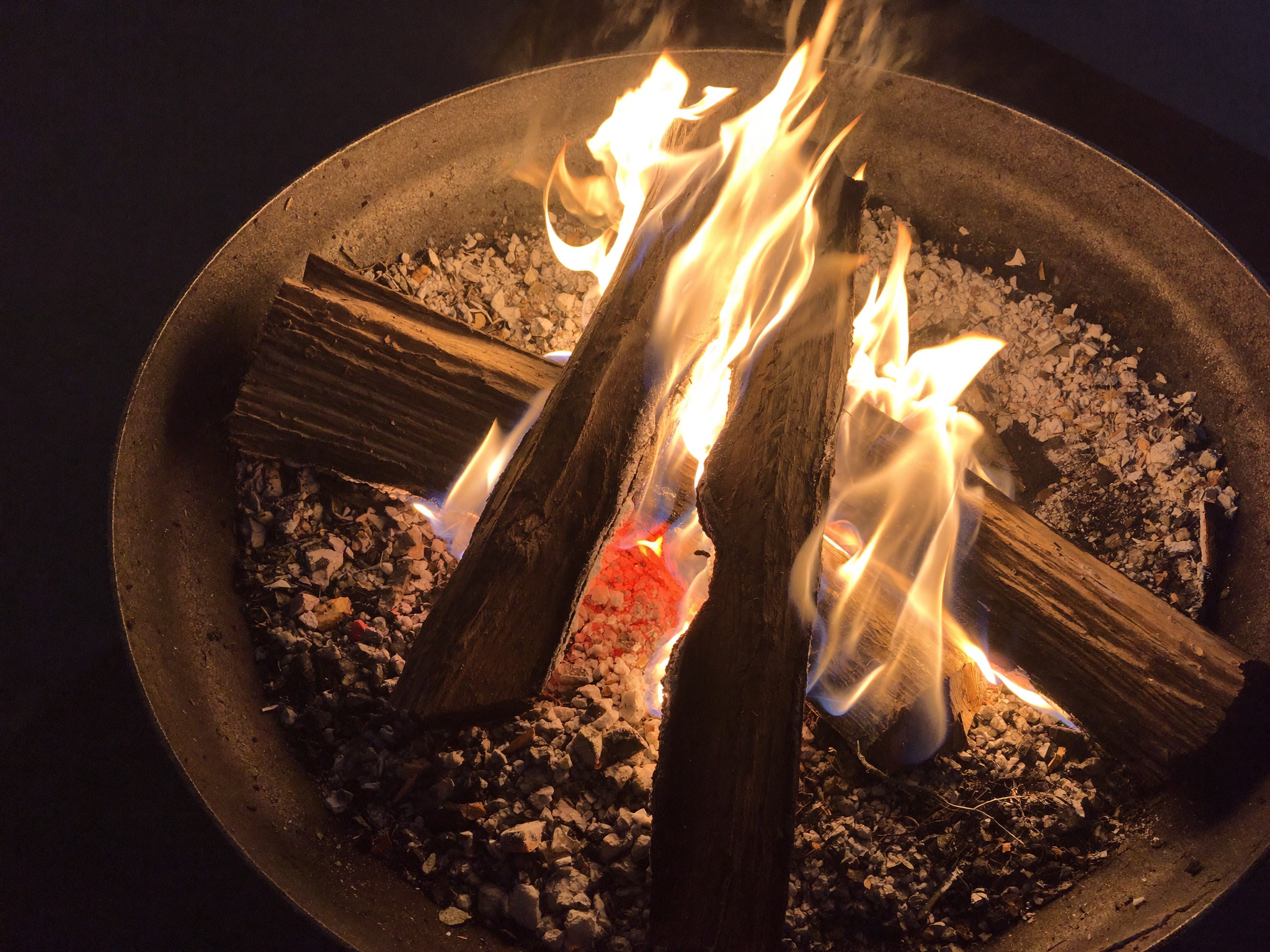
Almost every specific "can you burn X" question comes down to one of three concerns: does it produce smoke you should not breathe, does it throw an unusual fire risk, or is it simply illegal to burn where you live. This guide goes material by material rather than staying at the level of a vague general rule, because the vague rule is exactly what leaves people unsure about the one thing actually in front of them.
Section oneMaterial by material
The full list, in one place.
| Material | Verdict | Why |
|---|---|---|
| Seasoned hardwood (oak, hickory, maple) | Burn it | The standard, long steady heat and a clean burning coal bed |
| Seasoned softwood (pine, fir) | Burn it, if dry | Lights fast but throws more sparks due to resin content |
| Cedar | Burn it, if dry | Aromatic and popular, but pops more than denser hardwoods |
| Wood pellets | Burn it | Uniform and dry, ideal for a clean secondary combustion burn |
| Cardboard, plain, small amounts | Kindling only | Fine to start a fire, not to sustain one, produces fine floating ash |
| Newspaper, plain | Kindling only | Same reasoning as cardboard, fast burning, ash heavy |
| Green or unseasoned wood | Do not | Wastes heat boiling off moisture, produces heavy smoke |
| Pressure treated or chromated arsenical wood | Never | Releases toxic chemicals in smoke and ash, per EPA guidance |
| Painted or stained wood | Never | Coatings release harmful compounds when combusted |
| Plywood, particle board, OSB | Never | Adhesives and resins are not designed for combustion |
| Yard waste and leaves | Do not | Heavy smoke, and often classified as illegal open burning locally |
| Pallet wood, unknown origin | Avoid | Often chemically treated for shipping, origin usually unverifiable |
| Trash, plastic, styrofoam | Never | Toxic emissions and unpredictable, fast spreading flame |
| Charcoal briquettes, standard household use | In grills, not open pits | Designed for controlled cooking heat, follow product specific guidance |
| Accelerants, gasoline, lighter fluid | Never | Vapor ignition is a documented, serious burn hazard |
When in doubt about a specific piece of wood, the safest assumption is no, particularly for anything reclaimed, painted, stained, or of unknown origin.
Section twoWhy treated wood is the one absolute never
This is not a smoke and odor concern the way most items on this list are. This is a documented chemical exposure hazard.
Signature diagram
Where the chemicals actually go
What the EPA actually says
Chromated arsenical wood preservatives, commonly known as CCA, bond chromium, copper, and arsenic compounds deep into the wood's fibers to resist pests and decay. That bond is chemical, not physical, and combustion breaks it.
The U.S. Environmental Protection Agency states plainly: do not burn CCA or other preservative treated wood in a residential setting, to avoid possible inhalation of toxic chemicals in the smoke and ash. This applies regardless of how old the wood is or how long ago it was treated, since the chemical bond does not weaken meaningfully with age.
Source: U.S. Environmental Protection Agency, chromated arsenicals CCA.
How to tell if wood might be treated
Pressure treated lumber commonly has a greenish or brownish tint when new, though this fades with age and weathering. Any reclaimed deck board, fence post, playground timber, or landscaping timber should be assumed treated unless you know its exact history. When in doubt, do not burn it. Treat unknown reclaimed lumber the same way you would treat visibly treated wood.
Section threeCardboard and paper, why kindling is different from fuel
This is more about practical fire management than chemical exposure, and the distinction matters.
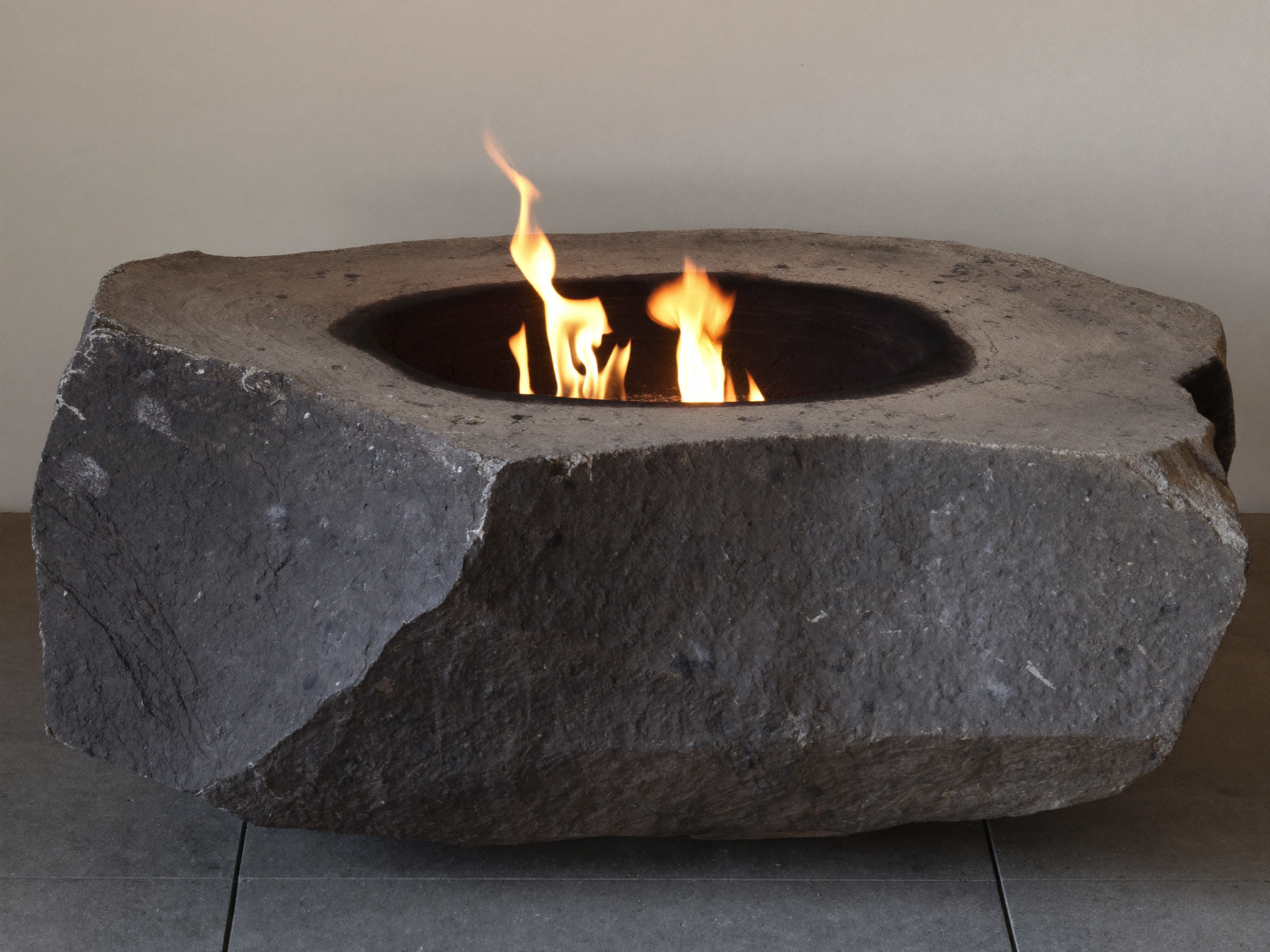
Plain, uncoated cardboard and newspaper work fine as tinder to get a fire started, which our how to start a fire guide covers as part of a proper top down fire lay. The problem shows up when cardboard or paper is used as ongoing fuel rather than a brief kindling layer. Both burn fast and produce a large volume of extremely light, fine ash that can loft on rising heat and travel further than a typical wood ember would, which is a real concern for anything flammable nearby. Glossy, printed, or taped cardboard adds a combustion byproduct concern on top of the ember issue, so keep it to plain, unprinted material even for kindling use.
Section fourYard waste, and why this one is often a legal question
This is not primarily a chemical exposure issue the way treated wood is. It is frequently a matter of local law.
Leaves, grass clippings, and general yard debris burn heavy with smoke and often will not fully combust, leaving a smoldering, low quality fire. Beyond the practical smoke issue, many municipalities classify burning yard waste outside of a specifically permitted burn as illegal open burning, separate from the rules covering a normal contained fire pit. EPA guidance on residential wood burning is built around clean, dry firewood specifically, not yard debris, which behaves very differently when burned. Check your local ordinance rather than assuming a fire pit gives blanket permission to burn anything organic.
Section fiveWhy this all connects back to what you are breathing
Even fully legal, non toxic materials still produce smoke worth taking seriously.
Wood smoke itself, from perfectly legitimate seasoned firewood, carries fine particulate matter. The EPA notes that breathing these fine particles can trigger asthma attacks and bronchitis and can aggravate existing heart and lung conditions, with children, older adults, and people with asthma or heart disease at greater risk. That is the baseline for clean wood. Every material on the do not burn list above adds something worse on top of that baseline, whether it is heavy metal exposure from treated wood or unknown adhesive byproducts from engineered lumber. The fix for the baseline concern is dry, well seasoned wood and a hot, well fed fire, covered in full in our firewood guide.
Section sixFrequently asked questions
Can you burn cardboard in a fire pit?
In small amounts as kindling to start a fire, generally yes, as long as it is plain uncoated cardboard with no tape, ink heavy printing, or glossy coating. As a fuel to keep a fire going, no, since cardboard burns fast, produces a lot of fine floating ash, and those lightweight embers can travel further than wood embers do.
Can you burn pine wood in a fire pit?
Yes, pine is a common and acceptable fire pit fuel as long as it is properly seasoned and dry. It burns hotter and faster than most hardwoods and throws more sparks due to its resin content, so a spark screen matters more with pine than with a dense hardwood like oak.
Can you burn treated wood in a fire pit?
No, never. The Environmental Protection Agency directly states not to burn chromated arsenical treated wood or other preservative treated wood in a residential setting, since it can release toxic chemicals in the smoke and ash. This applies to any pressure treated lumber, regardless of how old or new it is.
Can you burn plywood or particle board in a fire pit?
It is not recommended. Plywood, particle board, and similar engineered wood products are held together with adhesives and resins that were not designed to be burned, and they can release compounds you do not want to breathe when combusted. Plain, unfinished solid wood is the safer choice for any fire pit.
Can you burn yard waste and leaves in a fire pit?
It is generally discouraged and in many areas it is illegal open burning rather than a personal choice. Yard waste and leaves burn heavy with smoke and often will not fully combust, and many jurisdictions classify burning them outside of a permitted burn as against local ordinance. Check your local rules before burning anything other than seasoned firewood.
Keep readingRelated guides
How we research
Chemical safety claims in this guide, particularly regarding treated wood, are drawn directly from Environmental Protection Agency guidance rather than general home improvement advice. Where a material's status is more about local regulation than chemical safety, such as yard waste, we say so and point readers toward checking their own local ordinance rather than presenting a single universal rule.
Learn more about how we test and who we are.