- Home
- Fire pit safety and clearance guide
Safety and code reference
Fire pit safety and clearance guide
The distances, permits, and precautions that come out of published fire code and federal safety data, not a lifestyle blog's best guess.
The direct answer
Model fire code sets a portable outdoor fireplace at a minimum of 15 feet from a structure, an open recreational fire at a minimum of 25 feet, and a bonfire at a minimum of 50 feet. NFPA educational guidance for fire pits specifically suggests 10 feet from anything combustible as a floor. Local ordinances are often stricter, and some add a separate setback from the property line, so the number that governs your yard is the one your city or county publishes.
The short version
- Which distance applies depends on what you own. A manufactured fire pit, an open ground fire, and a bonfire are three different legal categories with three different clearances.
- Local beats model code. Cities and counties routinely publish stricter numbers, and some add a property line setback the model code does not mention.
- Most portable pits at a single family home do not need a permit. Bonfires and yard waste burning often do.
- Fire pits are a recognized insurance and liability category. Confirm coverage before you build a permanent one, and know that courts treat them as an attractive nuisance to children.
- Attendance and extinguishing are legal requirements, not suggestions. Code text says constantly attended until extinguished, not until it looks out.
Every fire pit safety question eventually comes down to one thing: distance. How far from the house, how far from the fence, how far from the deck railing. The honest answer is that fire code does not give a single number, because it does not treat all outdoor fires the same way. A steel bowl you bought online, an open fire built on bare ground, and a five foot bonfire are three different legal objects, and each one carries its own required clearance.
This guide works through the actual numbers, where they come from, and the parts of fire pit ownership, permits, insurance, extinguishing, that get skipped in most buying guides because they are not exciting. They are, however, the parts that keep a fire pit from becoming a legal or medical problem.
Section oneHow far from a structure, by fire type
Model fire code, specifically the International Fire Code Section 307, draws a hard line between three categories of outdoor fire. Which one you have determines your minimum distance.
Diagram, drawn to scale
Clearance radius by fire type
Sources: International Fire Code Section 307 for the 15, 25, and 50 foot minimums, and the National Fire Protection Association's fire pit guidance for the 10 foot figure. Distances are drawn to relative scale from a single reference point and are illustrative, not a substitute for a site specific measurement.
Portable outdoor fireplace: 15 feet minimum
This is the legal category most store bought fire pits fall into: a manufactured, contained, solid fuel unit made of steel, concrete, or clay. Model code requires it to sit at least 15 feet from a structure or combustible material, and to be used according to the manufacturer's instructions. There is a notable exception built into the code for portable outdoor fireplaces used at one and two family dwellings, which is part of why enforcement in residential neighborhoods can look inconsistent from yard to yard.
Recreational fire: 25 feet minimum
An open fire on the ground, not contained in a manufactured unit, with a fuel area of 3 feet or less in diameter and 2 feet or less in height, counts as a recreational fire under model code. This category requires a 25 foot minimum clearance from a structure or combustible material, a wider margin than a contained unit because there is no steel wall containing sparks or embers.
Bonfire: 50 feet minimum
Anything larger than the recreational fire threshold is a bonfire under code, and it carries the strictest clearance: 50 feet from a structure or combustible material, unless the fire is contained in a barbecue pit. Bonfires commonly require a permit, and many jurisdictions cap their size and burn duration explicitly.
The number NFPA actually recommends for a fire pit
The National Fire Protection Association's Educational Messages Desk Reference, separate from the enforceable code text, gives a specific figure for fire pits: a minimum of 10 feet from anything that can burn. That is guidance rather than enforceable law, but it is a more specific and more conservative number than the 15 foot code minimum, and it is the figure most fire safety educators actually use when they talk to homeowners.
The rule that catches people off guard
Some cities add a requirement the model code does not mention at all: a minimum distance from the property line, separate from the distance from any structure. The Town of Cary, North Carolina requires stationary outdoor fire pits to sit at least 5 feet from property lines in addition to at least 15 feet from structures including decks. If your yard is small or your lot has an unusual shape, the property line rule can end up being the binding constraint, not the structure setback. Check both numbers, not just one.
Section twoPermits, ordinances, and burn bans
The pattern across most cities is consistent: small, contained, portable fires do not need a permit. Bigger or open fires usually do.
| Fire type | Permit typically required | Notes |
|---|---|---|
| Portable fire pit, single family home | Usually not | Most codes exclude this from the open burning definition entirely |
| Recreational fire | Usually not | Provided it stays within the size threshold and clearance |
| Bonfire | Often yes | Many cities cap size and burn duration explicitly |
| Yard waste or land clearing burn | Yes | Frequently regulated separately by state environmental agencies |
| Any outdoor fire during a burn ban | Prohibited | Overrides every other rule regardless of size or permit status |
This table describes the common pattern across the municipal codes we reviewed, not a universal rule. Ordinances vary meaningfully by city and county. Examples on record: Minnesota's State Fire Marshal division, the City of San Diego, the City of Austin, and the Town of Cary, North Carolina.
HOA rules are separate from fire code and can be stricter
A homeowners association can prohibit fire pits outright, restrict them to gas only, or require a specific style, even where local fire code would allow an open wood fire. HOA covenants are a private contract, not government code, so satisfying the fire marshal does not automatically satisfy your HOA. Check both before you buy anything permanent.
Burn bans move faster than any other rule on this page
A red flag warning or a locally declared burn ban can suspend outdoor fires entirely, including fully code compliant fire pits, for as long as conditions stay dry and windy. These are usually announced by the county or the local fire department with little notice. If you are lighting a fire pit during an unusually dry stretch, a five minute check of local burn restrictions is worth the pause.
Section threeInsurance and liability
Fire pits sit in a specific, well understood category for homeowners insurers, and the rules differ depending on whether the pit is portable or built in.
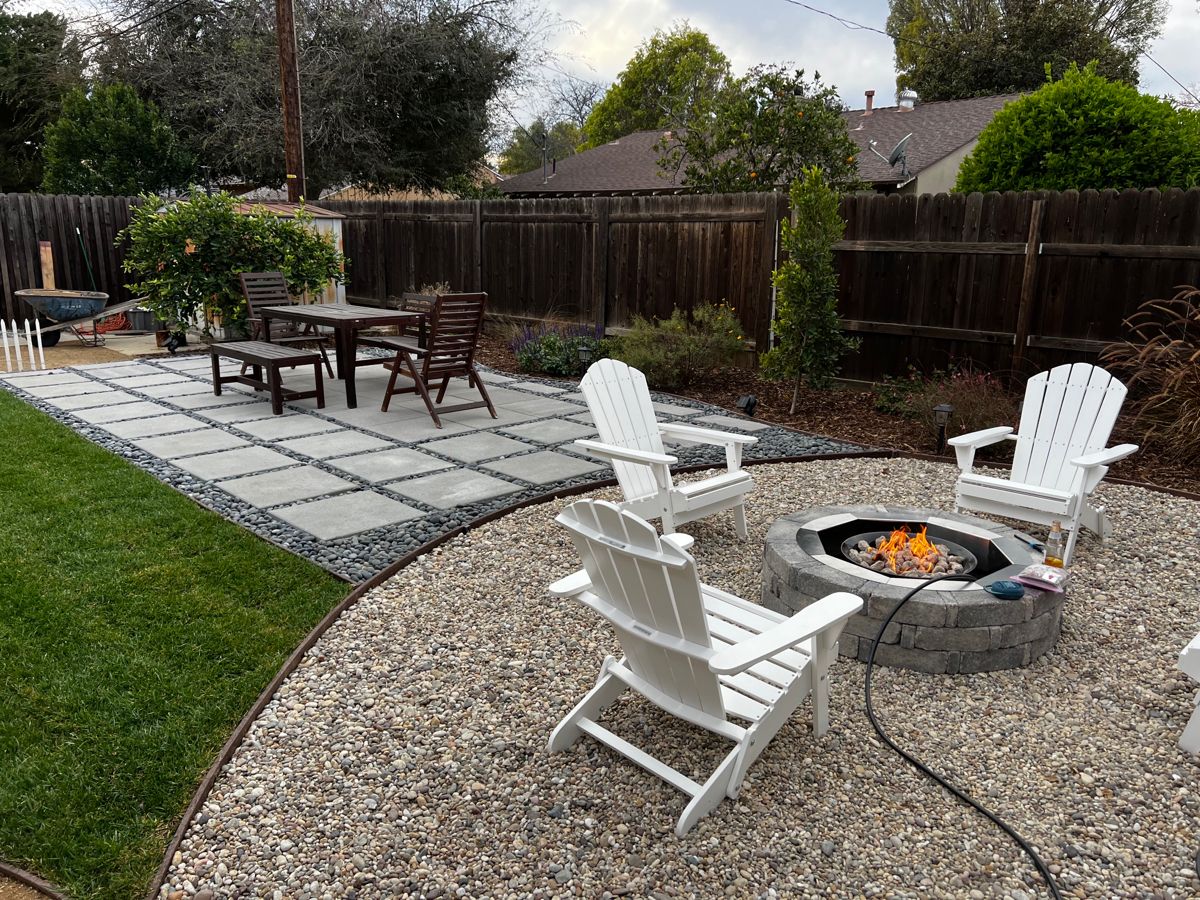
Most standard homeowners policies extend some coverage to fire pit incidents, but the structure of that coverage depends on the pit itself. A portable pit is generally treated as personal property. A permanent, built in fire pit is typically classified as an other structure, which is usually capped at a percentage of your dwelling coverage, commonly around 10 percent, shared across every unattached structure on the property, including sheds and fences. Building an elaborate permanent fire feature can push you closer to that cap than expected.
Two practical steps matter more than any other insurance advice here. First, tell your agent before you build anything permanent, since undisclosed additions and non compliance with local ordinances are both cited reasons a claim can be complicated or denied. Second, confirm your liability limits are adequate for guest injury, since fire pits are a recognized source of burn and trip injury claims and a personal umbrella policy is a common recommendation for anyone who entertains around one regularly.
The attractive nuisance doctrine
Courts in many states apply a legal concept called attractive nuisance to features like pools, trampolines, and fire pits: a property owner can be held liable for injuries to a child drawn onto the property by the feature, even if that child was technically trespassing. A fire pit sitting unattended, unscreened, or without a barrier is a textbook example cited in this context. Supervision, a spark screen, and keeping the pit inaccessible when nobody is present are the practical answers, alongside making sure liability coverage reflects the risk.
Section fourAttendance, extinguishing, and ash
This is the part of the code text people skim past, and it is where most of the actual injuries and property damage originate.
Fire code is explicit on this point in a way that surprises people: open burning, recreational fires, and portable outdoor fireplaces must be constantly attended until the fire is extinguished. Not until it looks low. Not until everyone goes to bed. Until it is out. Alongside that requirement, code calls for a portable fire extinguisher with a minimum 4-A rating, or an approved alternative, on hand for immediate use, which in practice means a garden hose, a bucket of water, or a bucket of sand within reach the entire time the fire burns.
How to actually put a wood fire out
- Stop adding fuel well before you plan to leave, so the fire has time to burn down naturally.
- Spread the remaining coals with a poker so they are not stacked and insulating each other.
- Douse thoroughly with water, not a token splash. Coals that look dead can reignite.
- Stir the ash with a shovel or poker to expose anything still hot underneath.
- Repeat until there is no hissing, no steam, and the pile is cool enough to touch with the back of a hand held near it.
Never bury a fire under dirt as a substitute for water. A buried fire can smolder for hours, and in extreme cases days, without visible smoke, and it can reignite if disturbed or if wind exposes it. This is one of the more common causes of fires that reignite after everyone believes the pit is out.
Ash stays dangerous longer than people expect
Cooled looking ash can retain enough heat to ignite combustible material for several days. Store ash in a covered metal container, away from the house, deck, and anything flammable, until you are certain it is fully cold. This single habit prevents a meaningful share of the smoldering related incidents that show up in residential fire statistics.
Section fiveBefore you light it
ReferenceFederal and code sources used in this guide
- International Fire Code, Chapter 3, Section 307, open burning, recreational fires, and portable outdoor fireplaces
- National Fire Protection Association, wildfire prevention tips for fire pits and outdoor fires
- U.S. Consumer Product Safety Commission, fire research and statistics
- U.S. Consumer Product Safety Commission, NEISS emergency department injury data
- U.S. Environmental Protection Agency, wood smoke and your health
- Minnesota Department of Public Safety, State Fire Marshal
- Town of Cary, North Carolina, outdoor fire rules and property line setbacks
QuestionsFrequently asked
How far does a fire pit need to be from a house?
It depends on which category your fire falls into. Model fire code sets a portable outdoor fireplace at a minimum of 15 feet from a structure, an open recreational fire at a minimum of 25 feet, and a bonfire at a minimum of 50 feet. NFPA's educational guidance for fire pits specifically suggests a minimum of 10 feet from anything combustible. Local ordinances are frequently stricter, and some add a separate setback from the property line, so confirm the number with your city or county before placing the pit.
Does a fire pit need a permit?
Usually not for a contained, portable unit at a single family home, which most fire codes exclude from the open burning definition. Bonfires, larger open fires, and yard waste burning commonly require a permit, and some cities require one for any outdoor fire regardless of size. A burn ban overrides all of it. Calling your local fire department is the fastest way to a definitive answer for your address.
Is a fire pit covered by homeowners insurance?
Generally yes, but the details matter. Most policies extend liability and property coverage to fire pit incidents, and a permanent, built in fire pit is typically treated as an other structure subject to your policy's outdoor structure limits. Insurers commonly expect compliance with local ordinances and placement on a non combustible surface. Confirming coverage with your agent before building anything permanent is the safer path.
What is an attractive nuisance and does it apply to fire pits?
An attractive nuisance is a feature, such as a pool, trampoline, or fire pit, that can draw in children and create an injury risk, and property owners can be held liable for injuries even to a child who was trespassing. Fire pits are commonly cited in this category. Supervision, a spark screen, and keeping children a supervised distance from the flame are the practical mitigations, alongside confirming liability coverage is adequate.
How do you properly extinguish a wood burning fire pit?
Stop adding fuel well before you plan to leave, spread the remaining coals to help them burn down, then douse thoroughly with water and stir the ash to expose any hidden embers. Repeat until no hissing, steam, or heat remains. Never bury a fire with dirt alone, since coals can smolder underneath for hours or days. Store cooled ash in a covered metal container away from combustible material, since ash can retain enough heat to ignite for several days.
Keep readingRelated guides
Editorial note
This guide summarizes published fire code, federal safety data, and common municipal ordinance patterns for general education. It is not legal advice, and it does not replace confirming requirements with your local fire department, building department, HOA, or insurance agent for your specific address. Code text and local ordinances change, and this page reflects the sources cited above at the time of writing.
Read our editorial policy and about page for more on how we source and verify claims across the site.